Run Your Best Event, Ever: How to Design an Incentive Trip for Top Performers Who’ve Seen It All?

— Amy McCollum, Vice President, Program Management at metroConnections
Amy McCollum has spent more than 18 years producing corporate events and incentive trips at metroConnections. Here’s what the veteran planner suggests corporate planners do to make an incentive feel personal and impossible to replicate, even for winners who’ve seen it all.
Your company’s top performers have spent all year earning a reward trip, and now it falls to you to deliver something they couldn’t have booked for themselves, an experience that has to feel like a once-in-a-lifetime gift while you and your team engineer every last logistic out of sight. That’s the challenge of the incentive trip, one of the most demanding types of events to pull off because the magic has to feel effortless.
That craft is the heart of “How to Run Your Best Event, Ever,” a new content series from EventMobi. Each month, a working organizer who runs one event format exceptionally well, from trade shows to annual conferences to corporate meetings, breaks down how they do it, sharing the tips, trade-offs, and hard-won lessons of the peers who have figured it out.
This month’s spotlight is the incentive trip, and our guide is Amy McCollum, vice president of program management at metroConnections, a Minneapolis-based, employee-owned event management firm where she has worked for more than 18 years and leads the meeting planner team. The agency handles planning, production, creative, transportation, and attendee services for corporate clients, and for many of those, incentives make up about a third of the events they run.
Here, McCollum explains why luxury alone no longer impresses a well-traveled top performer, how the best duty-of-care planning stays invisible, and why the strongest programs stay focused on the people the entire trip is meant to reward.
What separates a truly great incentive program from one that’s just a nice trip?
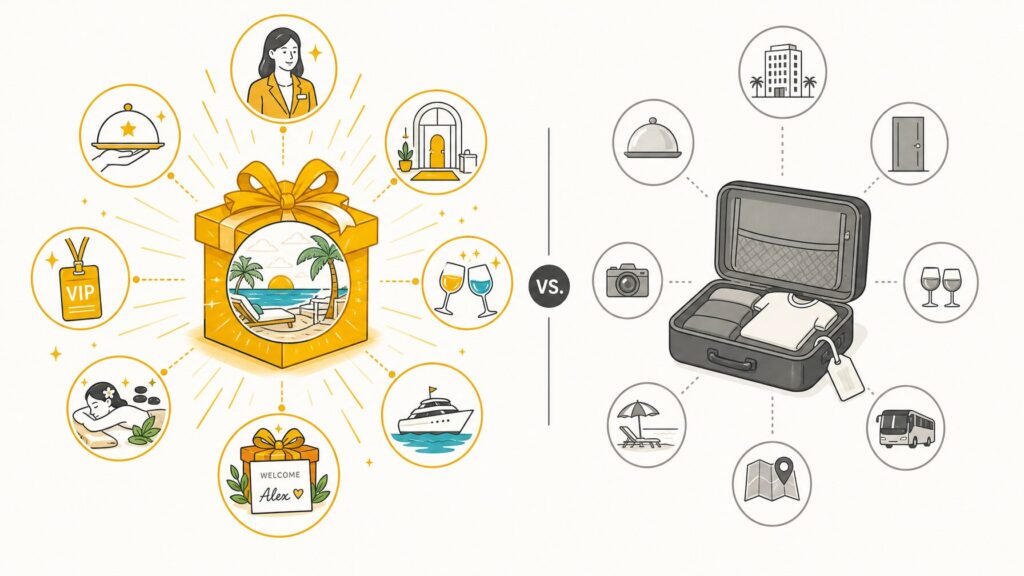
It’s about going beyond the destination and very much about personalization, thoughtful design, and unique, exclusive experiences that participants can’t easily arrange on their own. Anyone can book a nice trip, but what makes an incentive memorable is creating experiences that are personal, unexpected, and unattainable for the ordinary traveler. It’s about making that person feel valued, recognizing that they earned the trip, and giving them access to something truly special.
What does a coveted incentive look like now versus five years ago, and what has fallen out of favor?
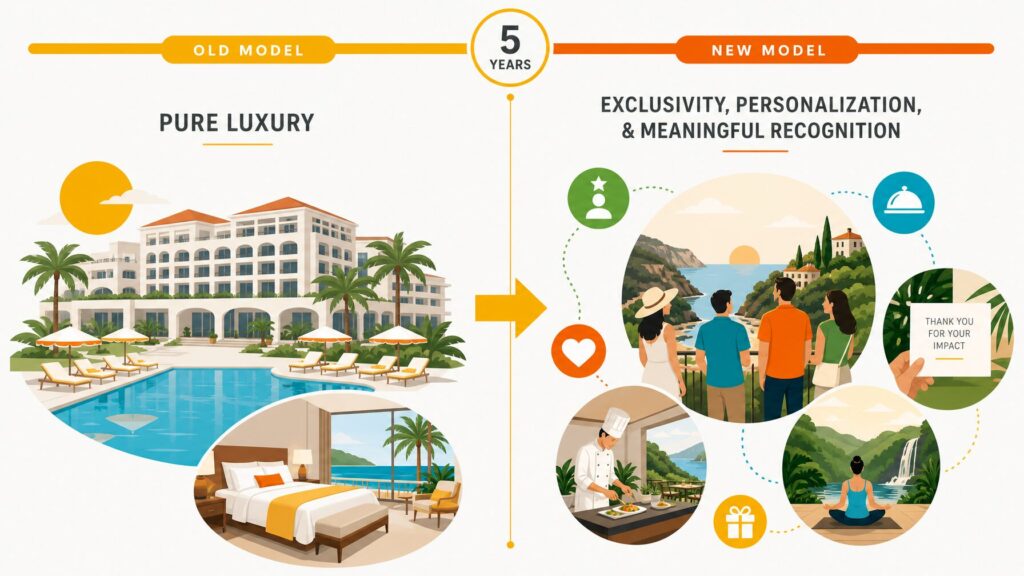
Today’s top performers are well-traveled, and a lot of them can book their own luxury resort. What they can’t replicate is that behind-the-scenes, exclusive experience, and the meaningful recognition, in front of their peers, leadership, and a significant other, that feels intentionally designed for them. Five years ago it was all about luxury, the five-star resort, the upgraded room, that one ‘wow’ moment. That’s not enough anymore. Luxury is expected, and now exclusivity and personalization are what matter. What’s fallen out of favor is the one-size-fits-all itinerary and the program that’s only about the hotel or the destination.
Can you share examples of the exclusive, customized experiences you’ve produced recently?
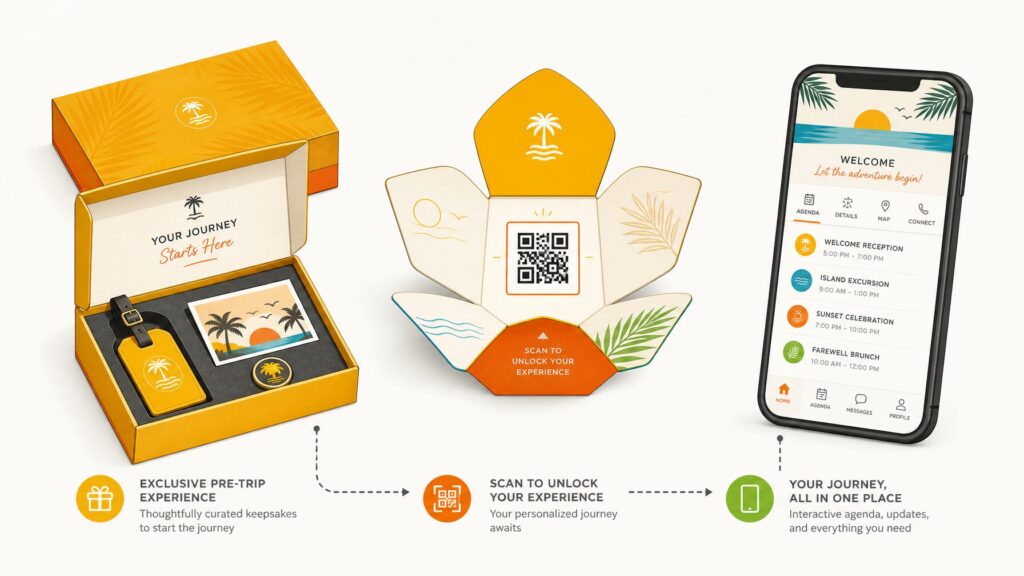
We use pre-trip and post-program mailers, whether in the mail or digital, as a continuing touch point, so [the experience] isn’t just one moment in time. For a trip to Greece, we sent a box with four Greek tile coasters, a Greek sangria recipe, and an insulated wine tumbler with the company’s logo. It wasn’t just ‘here’s your itinerary,’ it was a full package. We recently did a mailer with a fold-out that opens like a flower, and in the middle was a QR code. You scan it and it brings you to the mobile app or an interactive site, so attendees stay interactive on the go. That digital agenda also gives us flexibility if there’s a time change or something that we need to pivot.
The promise is that each winner feels personally chosen. How do you keep that feeling individual across a few hundred high performers?
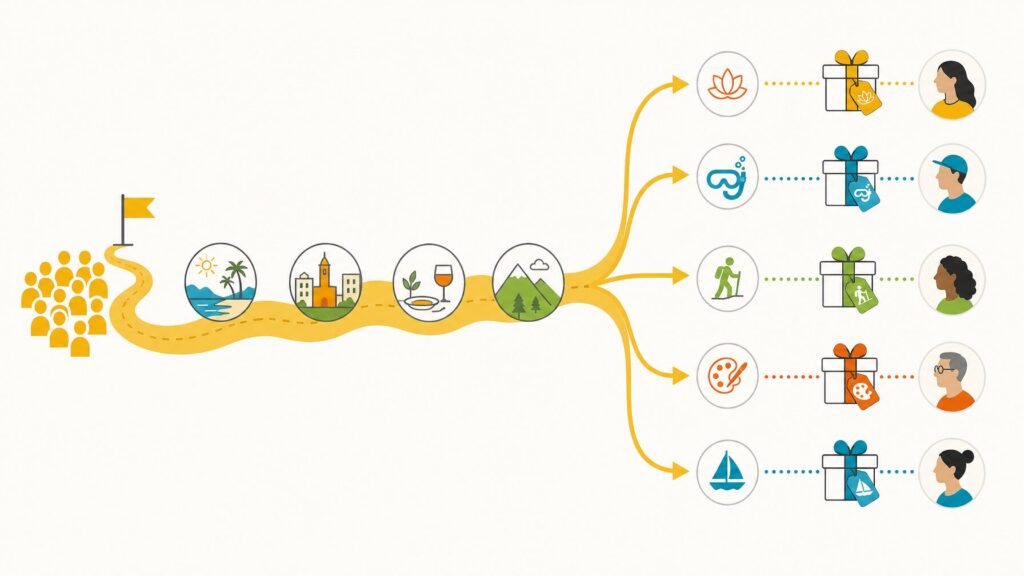
It’s not about creating hundreds of different trips; it’s about creating meaningful choices and moments that make every attendee feel like it was designed with them in mind. Some personalization is standard now: preferred names, dietary restrictions, and shirt sizes are collected in the registration form. But now it’s about going beyond that and being more intentional. For example, we recently went to wine country, and it was about knowing who drinks and who doesn’t. Just because we’re going there doesn’t mean you have to drink, so instead of delivering a bottle of wine to the room of someone who won’t enjoy it, we’ll do a mocktail with a couple of bottles of sparkling water with different enhancements, something that’s still a level up, so the attendee feels the welcome gift was designed for them, even if the other 95% received wine.
People Also Ask
- How do you personalize an incentive trip without creating hundreds of versions? Focus on meaningful choices and a few intentional, individualized moments rather than unique itineraries, using registration data like preferred names, dietary restrictions, and drink preferences to tailor small but memorable touches
Incentive programs often take a company’s best people far from home. How do you build the contingency planning and duty of care so it’s there if you need it, without the safety net ever showing?
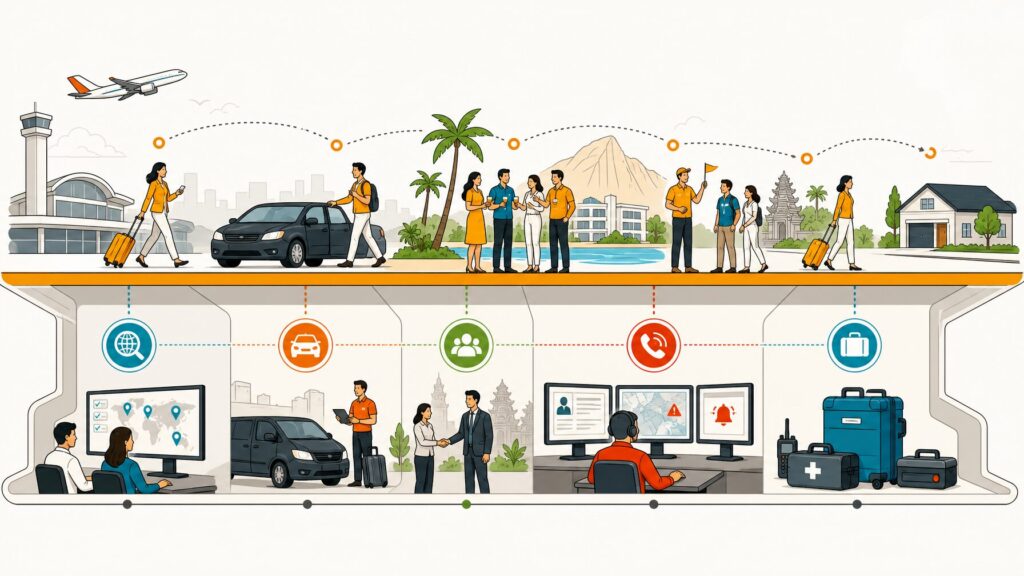
We’re big on backup plans and risk management, and our clients have become much more cognizant about security. The best duty-of-care plans are invisible. If people are noticing the contingency plans, something has probably gone wrong. Our job is to build the safeguards behind the scenes and make the experience feel effortless, even when we’re moving hundreds of people around the world.
We spend a lot of time vetting destinations, transportation vendors, local partners, and communication plans, especially abroad. We have emails teed up to go if there’s an emergency, and canned on-screen messages like ‘please stay in your seats’ or ‘please proceed to the nearest exit,’ with audio, so if you can’t see it, you can hear it. We recently got portable microphone packs, because we’ve had a property lose power, and when that happens you can’t put anything on screen or use the house speakers.
It’s also about using your resources. A lot of planners aren’t experts in every destination, so you bring the contingency conversation to all your partners, not just the hotel. Some planners may think they just need the hotel’s emergency plan, but what about transportation, or offsite activities? What if you’re doing a beach event and something happens? You have to look at the full program, from when the attendee gets to the airport all the way through when they get back home, that’s when they’re in your care. These plans can take months to build, but we’ve had to use them before in multiple cases, so having them readily available saves so much time. As the planner, you’re the one the client looks to when stuff comes up.
People Also Ask
- What should an incentive trip duty-of-care plan cover? It should span the entire journey, from the airport to the return home, and involve every partner, including transportation, offsite activities, and local vendors, not just the hotel’s emergency plan
- When should you build incentive trip contingency plans? Well before departure, since they can take months to assemble; having emergency emails, on-screen and audio messages, and backup equipment ready in advance saves critical time if you ever need them
These programs can hinge on the one experience people can’t stop talking about. How do you design that peak moment, and keep topping it for repeat qualifiers?

It’s a bit of a mistake to think the peak moment is the best or only part of the event. The peak moment is really the feeling you want people to walk away with, and your peak moment might be different from mine. Especially for repeat qualifiers, we find that bigger isn’t always better. The strategy isn’t about outdoing last year’s wow event, because eventually you’re going to run out of runway. We focus on creating something different, not necessarily bigger, but more special and intentional to that destination and that year. The winners are probably different each year, so what does this year’s group want or need? Sometimes it’s a deeply local experience, sometimes a surprise, sometimes a recognition moment. Today’s attendees are less impressed with excess and more impressed with thoughtfulness and intention.
What’s a trend in incentive design you think is overrated, and what do you wish more clients would ask for?
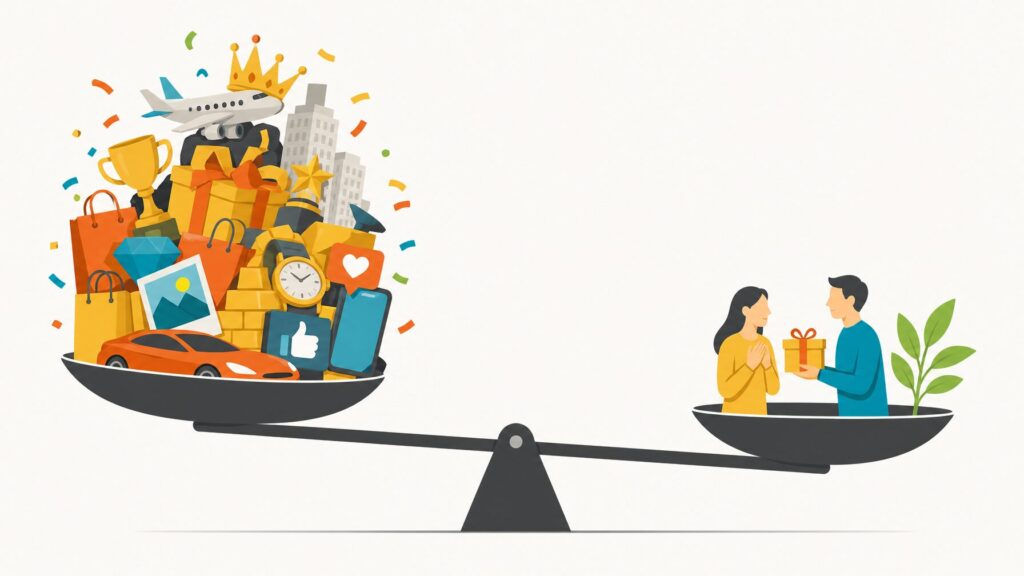
The pursuit of more: more luxury, more production, more spectacle, more Instagram moments. Attendees appreciate beautiful venues, but there’s a point where another celebrity performance doesn’t create meaningful impact. It can sometimes distract from the reason we’re there, which is recognizing achievement. What I wish clients would ask is to treat the trip as one part of a larger experience. The qualifying period might be a year or more, and there needs to be momentum leading up to it, and once they’ve qualified, how do we make them feel special? Are we giving them some sort of plaque or crystal to display in their office, or a virtual background that says they were a winner of this incentive trip?
Clients sometimes lose sight of the fact that there’s a sales-based purpose behind the incentive, to drive sales, employee satisfaction, or customer purchasing. How are they using this incentive to drive those goals? This is exactly where it helps to step back and measure whether your corporate incentive travel program is working. The other question worth asking is whether the program needs a refresh. Just because it’s been done a certain way historically doesn’t make it the most effective. Repeating the same venue or experience year after year, is that the right thing to do? Planners should pause and have that discussion with stakeholders.
Have you ever had an offsite activity go sideways in a memorable way?

We had a whale-watching excursion off the coast of Monterey, and for whatever reason, people decided not to take motion-sickness medication. We ended up with three-quarters of the boat hanging over the side, so we had to cut it a little short. Then there’s always the person who wants to impress everyone at volleyball, maybe they had their heyday a few years ago, and they end up with a sprained ankle and a minor trip to the emergency room. The lesson is attendee communication: ‘If you’re choosing this activity, please know the following risks.’ When people leave home, they sometimes put their minds and their liability in your hands. Don’t make assumptions that people will intuitively recognize their own limitations.
Across all the incentive programs you’ve run, what’s the one thing you’d never do again?
The one thing to never do is lose sight of who the trip is for. It’s easy for a program to drift toward what executives, planners, or trends want, but every decision should come back to what makes the experience more meaningful for the top performers who earned it and their guests.
Because we’re a third-party running so many different programs, there isn’t really an industry trend I’ve done that I wouldn’t do again; it’s more about steering clients in the right direction. So the thing I’d never do is lose sight of the reason for the trip and the winners who earned the spot. It’s easy for a program to become about what executives want, or planners want, or what’s trending. But the trip isn’t for us, it’s for the top performers, and every decision should come back to what makes the experience more meaningful for those qualifiers and their guests. What’s right for one audience might not be right for another. If the client doesn’t know why they’re doing the incentive, that’s a problem. We want to make sure our clients are intentional with their dollars and what they do for their winners, and that it makes the most sense.